The Bay and Its Seasons
The Cape Cod Bay Season, Month by Month
A month by month guide to the Cape Cod Bay season, from the first striped bass in spring to the bluefin and bluefish of late summer and autumn.
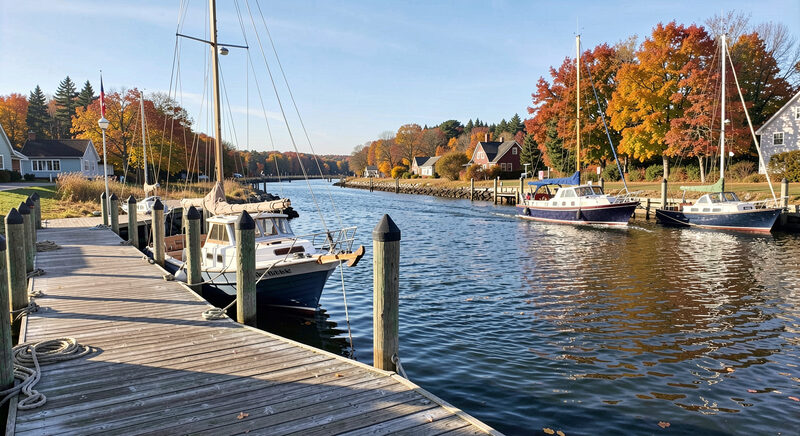
Cape Cod Bay has a fishing year with a shape as clear as the tide that runs through it. It starts quietly in late spring, when the water finally warms and the first striped bass push up onto the flats. It builds through the summer, when bluefish arrive in numbers and bluefin tuna show in the deeper water. It peaks in early autumn, when the bass feed hard again before moving south, and it ends in cold mornings with only a few boats still working the shoals.
No two years run exactly the same. Water temperature, the strength of the bait runs and the weather all shift the timing by weeks in either direction. But the broad pattern repeats, and knowing it lets an angler decide what to fish for, what to bring and when to plan a trip. This guide walks through the season month by month.
Late spring: the first bass
The season usually opens when the bay has warmed enough to draw bait onto the shallows. The first striped bass tend to appear on the flats and around the edges of Billingsgate Shoals, often feeding on sand eels that have moved in ahead of them. This is a period of promise rather than plenty. The fish are there, but they can be scattered, and the weather is still unsettled.
Spring fishing rewards patience and a willingness to cover water. Anglers often work the shallower parts of the shoal with light tackle and soft plastics, or troll and jig the deeper edges looking for the first concentrations of fish. A run of warm days can turn the bay on quickly; a cold snap can shut it down just as fast.
Early summer: the bay fills
As the water settles into its summer pattern, the fishing broadens. The striped bass become more reliable on the shoals and along the flats, and the first bluefish arrive to add a faster, sharper edge to the day. Sand eels gather in large schools, birds start working the surface, and the topwater action that Cape Cod Bay is known for begins.
This is also when the harbor at Rock Harbor settles into its busiest rhythm, with the charter fleet sailing daily on the tide. For a visiting angler, early summer is one of the most dependable windows of the year: the fish are present, the weather is generally kind, and there is a real chance of both bass and bluefish in the same trip.
Midsummer: bluefish and the first tuna
Through July and into August, bluefish become a major part of the picture. They are aggressive feeders, they fight hard, and they can turn a quiet morning into a busy one when a school moves onto the shoal. Their teeth mean wire leaders and careful handling, but they also mean fast action for anglers who want it.
Midsummer is also when bluefin tuna begin to show in the deeper water around the bay. Tuna fishing is a different pursuit from the inshore work: heavier tackle, the right permit, more time and more patience, and a real chance of nothing at all for a whole day. The boats that chase tuna from Rock Harbor do so deliberately, often on longer trips that have to be planned around the tide.
Late summer: heat and early mornings
The hottest weeks of the summer are often the hardest. Fish feed most actively in the low light of dawn and dusk, and the middle of a bright, calm day can be slow. Anglers who adapt do best, starting early, working the surface while the light is low, and giving the shoals a rest when the sun is high.
Bluefish remain a reliable target through this stretch, and striped bass still feed, though often in shorter windows. This is a good time to fish the tide rather than the clock, and to be on the water when the current is actually moving. The guide to reading the tides at Rock Harbor explains why that matters so much here.
Autumn: the best of the year
For many Cape Cod Bay anglers, autumn is the season they wait for. As the water begins to cool, striped bass feed hard again, gathering on the shoals and along the edges of the flats to put on weight before moving south. The crowds of midsummer thin out, the light softens, and the fishing can be excellent on the right tide.
Bluefish often linger into the early autumn, and the last of the bluefin may still be around in the deeper water. The weather becomes more variable, and a trip that looks settled in the morning can meet a stiff wind by afternoon. But the quality of the fishing, and the quiet of a bay that is emptying of boats, make autumn the reward for a season of waiting.
Late autumn and the close of the season
As the water cools further, the bass move out and the season winds down. The last trips of the year are often cold, short and unpredictable, but they can also be productive, with fish concentrated as they stage before their migration. Eventually the boats come out of the water, the harbor goes quiet, and the bay waits for spring.
The exact date of that close is never fixed. It depends on the water, the bait and the weather, and it is best judged by watching the fishing rather than by reading a calendar. What the calendar can do is set expectations. The section on the bay and its seasons explains the water behind this pattern, and the fish and techniques section covers the species and methods in more detail. For anyone planning a first visit, the guide to a first charter trip turns this seasonal outline into a day on the water.