The Bay and Its Seasons
Cape Cod Bay and Its Seasons
How Cape Cod Bay and the Rock Harbor flats work through the year: tides, the season calendar and the water that decides when boats sail.

Cape Cod Bay is the southern arm of the Gulf of Maine, a broad, shallow bowl of cold water that reaches from Provincetown on its northern tip down to the sand of the outer Cape and the marsh edges of Barnstable. It is one of the most productive pieces of salt water in New England, and for a few months each year it is also one of the busiest, when striped bass, bluefish and bluefin tuna move in to feed and a working fleet of small boats moves out to meet them.
This section of The Billingsgate Journal is about the bay itself: how the water behaves, why the harbor at Rock Harbor keeps its own clock, and how the fishing season unfolds from the first warm days of spring to the last cold mornings of autumn. The guides here are written for anyone who wants to understand the water before they fish it, whether they are booking a first charter or running their own boat.
A bay shaped by sand and tide
What makes Cape Cod Bay unusual is how shallow it is, and how much of its floor is sand that the tide can move. Large areas of the bay are less than thirty feet deep, and wide flats run out from the shore for a mile or more at low water. The tide here can swing as much as nine or ten feet, and the water that drains off those flats on the ebb drives the currents that feed the whole system.
Those flats are not empty ground. They hold sand eels, worms, crabs and small baitfish, and the fish that hunt them follow the water on and off the shallows twice a day. An angler who understands the tide is not guessing where the fish will be. The tide is telling them.
Rock Harbor and its window
Rock Harbor sits on the line between Orleans and Eastham, a man-made basin cut into the bay shore and kept open by dredging. It is the working harbor of this stretch of the Cape, home to a small commercial fleet and a row of sportfishing charter boats that sail from spring into autumn.
The harbor has a reputation that surprises visitors. Because the approach runs across wide flats, it is only navigable for a few hours around high tide, roughly two and a half hours before and after the peak. Outside that window the channel is too thin for most boats to move. The result is a harbor with a rhythm you can set a watch by, and a fleet that sails in bursts rather than at will. The guide to reading the tides at Rock Harbor explains how that window works and how to plan around it.
The shoals that hold the fish
Out in the bay, the single most important piece of structure is Billingsgate Shoals, a long sand bar left behind when an island washed away in the storms of the nineteenth century. The shoal rises to within a few feet of the surface in places and drops into deeper water around its edges, and that contrast between shallow and deep is what gathers bait and, behind it, the fish that feed on it.
Billingsgate is only one feature of a bay that is full of smaller bars, channels and drop-offs, but it is the one that most Cape Cod Bay fishing is organised around. The guide to Billingsgate Shoals looks at how the bar formed, how it fishes through the season and how to read its edges.
The season, from spring to autumn
Cape Cod Bay has a fishing year with a clear shape. It begins in late spring, when the water warms and the first striped bass arrive to feed on the flats. It builds through the summer as bluefish and then bluefin tuna appear, and it runs into autumn, when the bass feed hard again before moving south and the last boats of the season work the shoals in colder weather.
The exact dates move a little every year with the water temperature and the bait, and no calendar can promise a good day. What a calendar can do is tell an angler what is likely to be around in a given month, which species to expect and which methods tend to work. The month by month guide to the Cape Cod Bay season sets that out.
Why the tide matters more than anything else
If there is a single idea that separates anglers who catch fish on the bay from those who do not, it is respect for the tide. The bay is shallow, so moving water is everything: it concentrates bait, it positions fish along the edges of the flats, and it decides when a boat can even leave the harbor. Slack water can be slow; a running tide over a bar can be frantic.
That is also why the fleet sails the way it does. A trip is planned around the tide as much as around the clock, and a captain who knows the bay will often choose the hour to suit the water rather than the convenience of the guest. Understanding that is the first step to a good day, and it is the thread that runs through every guide in this section.
What this section covers
- Reading the tides at Rock Harbor, the tidal window, the channel and the flats.
- Billingsgate Shoals, the drowned island that became the bay's best ground.
- The season, month by month, what to expect from spring through autumn.
From here, the natural next step is to meet the fish themselves. The fish and techniques section covers the species and the methods that reach them, while the boats and fleet section explains how a charter day is put together on this water.
The Bay and Its Seasons
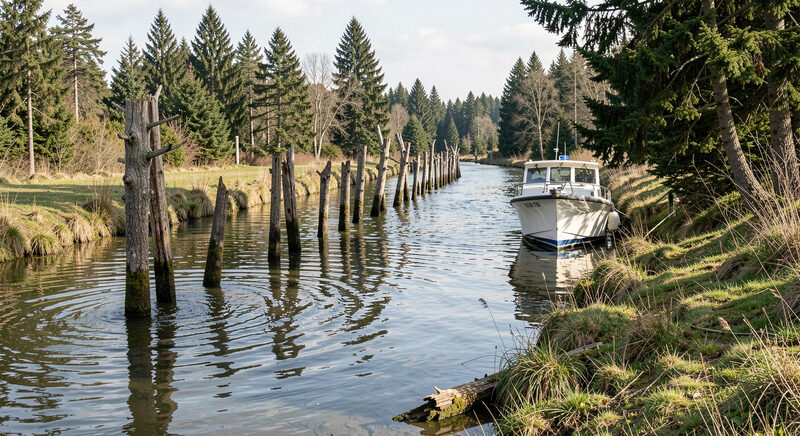
Reading the Tides at Rock Harbor
Rock Harbor is a tidal harbor that opens for about five hours a day. Learn to read the tide, plan a sailing window and understand the flats.
A harbor that opens for a few hours around high water.
The Bay and Its Seasons
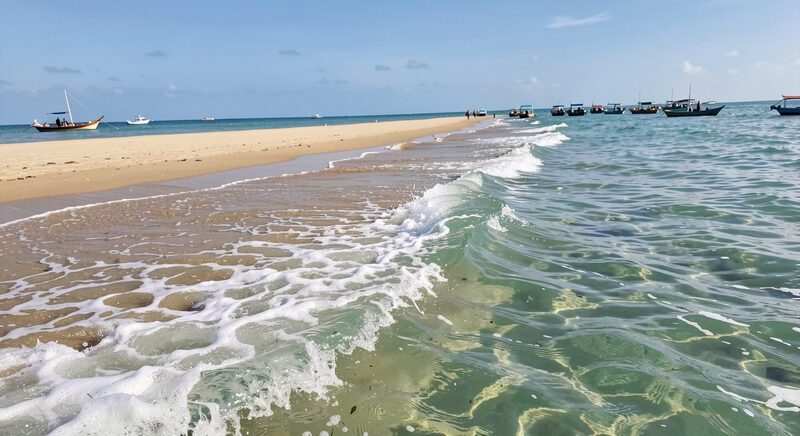
Billingsgate Shoals
Billingsgate Shoals is the drowned island that became Cape Cod Bay's best striped bass ground. How it formed, how it fishes and how to read it.
A drowned island that became the best ground in the bay.
The Bay and Its Seasons
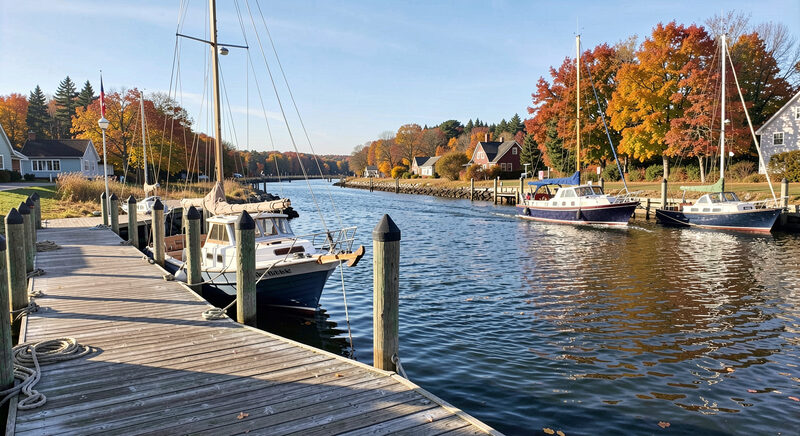
The Cape Cod Bay Season, Month by Month
A month by month guide to the Cape Cod Bay season, from the first striped bass in spring to the bluefin and bluefish of late summer and autumn.
From the first spring bass to the last cold morning.